





The great Japanese poet Bashō became famous in 1686 with a haiku about a frog.
古池や蛙飛びこむ水の音
furu ike ya / kawazu tobikomu / mizu no oto
Note the assonance on u, and the consonances on k, z, t, and m.
My Japanese isn’t very good, but it’s good enough to translate many of Bashō’s haiku because his vocabulary is classical and predominantly written in kanji.
So, I translate Bashō’s frog haiku as:
old pond / frog flies in / sound of water
Now, such a haiku is intended to put the reader into a meditative state. But it is easy to see how less spiritual readers might be tempted to parody it.
Bashō sought enlightenment by going on long walks through Japan. His most famous walk is described in Oku no Hosomichi, or The Narrow Road to the Deep North, recognized today as the greatest work of Japanese literature.
It is in the haibun genre, which combines prose and haiku for travel writing. The prose sections are concise narrations of the journey; the interspersed haiku are emotional or spiritual reactions.
But there is another side to traveling, as we learn from a funny fellow named Ikku Jippensha, who, a hundred years after Bashō’s death, wrote another kind of masterpiece.
Ikku Jippensha wasn’t exactly respectable, though he was born in the high middle class, his father a samurai. After being fired from too many jobs, he decided to live as a hobo. He wandered all around Japan and wrote about his travels, often producing twenty novels or more per year.
But who knows who he really was?
Almost no one believes any of the wild stories he told about himself.
Maybe the most famous story was about what happened after he died.
On his deathbed, he solemnly instructed his students to place packets on his corpse. They did as instructed and attended his funeral. When the cremation began, the packets exploded, sending fireworks high into the sky. It was Ikku Jippensha’s final surprise.
It is difficult to imagine that a man so comical and wild could take Basho’s meditative travel writings and haikus about frogs jumping into ponds as seriously as he ought.
And indeed, he didn’t.
Ikku Jippensha’s greatest novel is Tōkaidōchū Hizakurige (東海道中膝栗毛), or Shank’s Mare, a picaresque novel that also served as an actual travel guide for the Tōkaidō, the main road between Kyoto and Edo, one of Bashō’s favorite roads.
But the crazy heroes of Shank’s Mare find no enlightenment. They don’t even look for it. Instead, they eat, drink, and womanize, as any good traveler ought, and they are scammed, often by the girls they are trying to kiss.
Instead of Bashō’s concise narrations in the prose sections, we find long and wild conversations.
Instead of Bashō’s meditative haikus, we find bawdy songs and silly rhymes.
Shank’s Mare reminds me of the fate of the Mona Lisa.
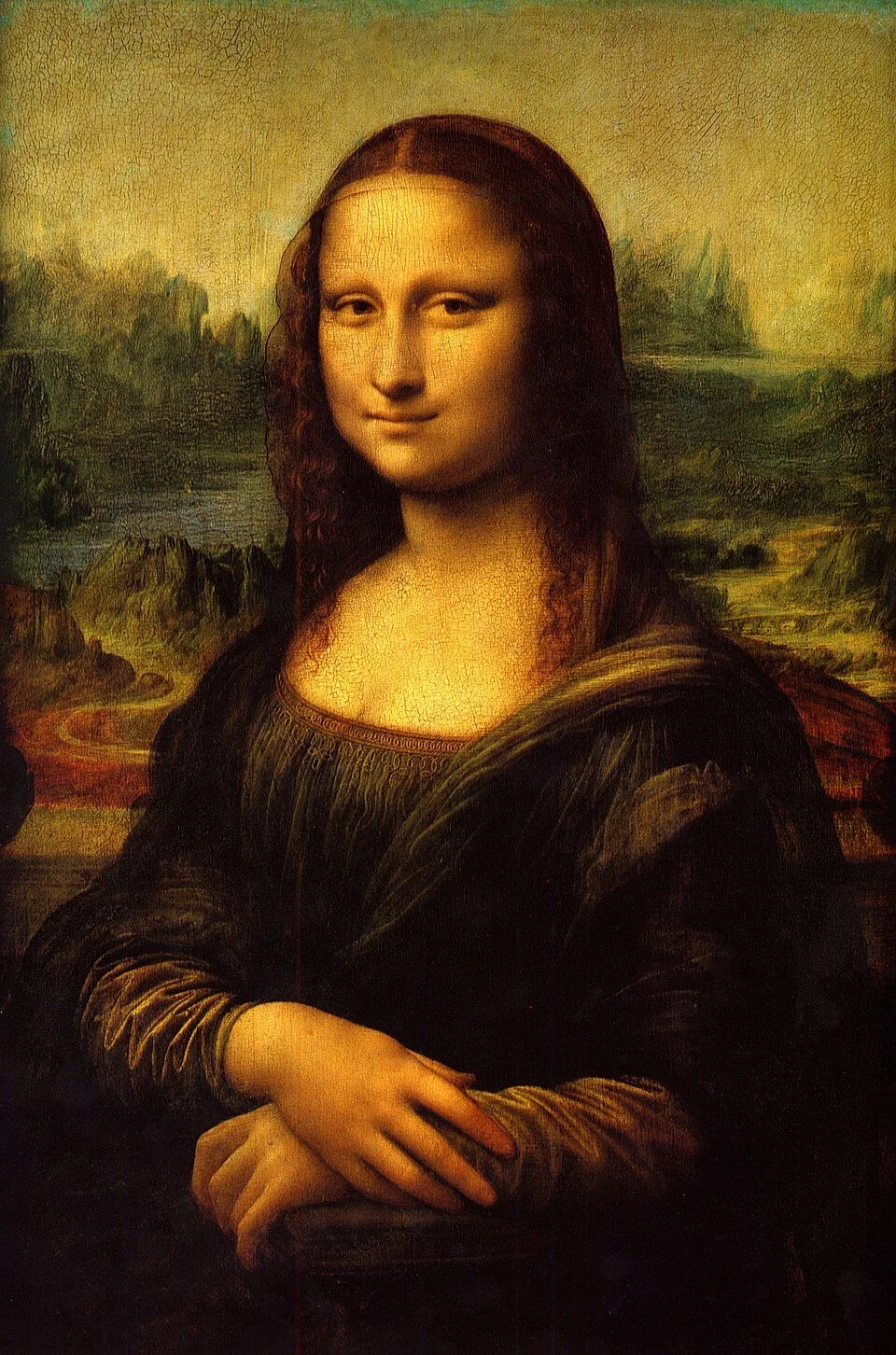
When a great work, such as Bashō’s travel book, becomes too popular, the temptation to parody it becomes irresistible.


Well, lucky for us, we get to enjoy both: the original and the parodies. Unless the censors object!
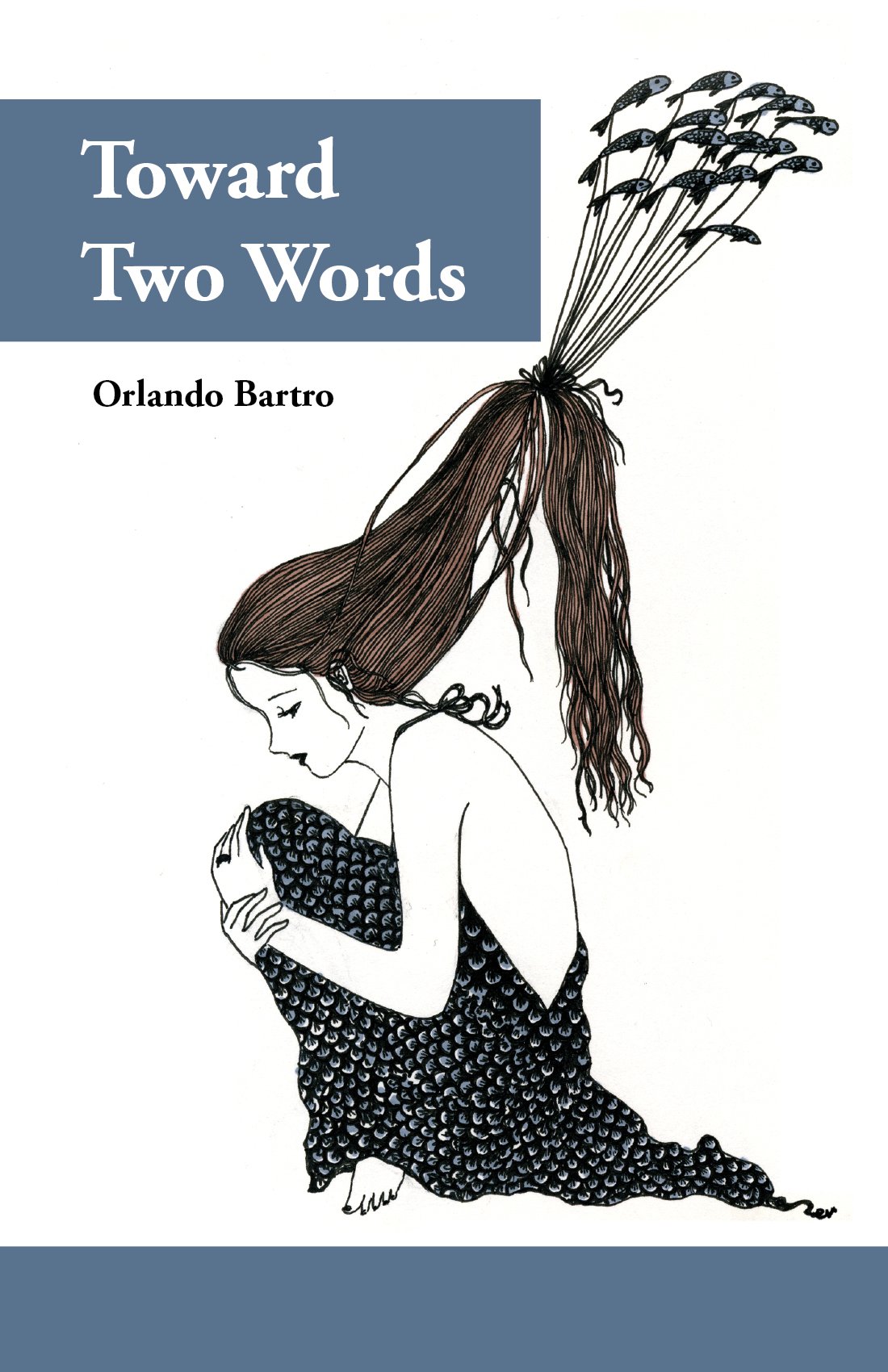
* Orlando Bartro is the author of Toward Two Words, a comical & surreal novel about a man who loves yet another woman he never knew. Find your copy at Amazon. Hardcover, paperback, and e-book editions available.
https://www.amazon.com/Toward-Two-Words-Orlando-Bartro-ebook/dp/B072MNB4F9
All images used are believed to be in the public domain and have been included for the benefit of our readers with no intention of copyright infringement by the author or This Awful Awesome Life