





Two Kinds of Acceptable Implausibility
==========
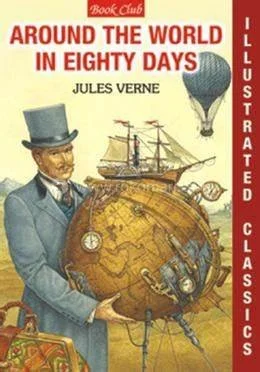
In Verne’s vigorous Around the World in Eighty Days, Passeportout never warns Mr. Fogg that Fix is an imposter.
Passeportout’s omission is highly implausible, but Around the World in Eighty Days is a comedy with a foolish premise.
We go with Mr. Fogg on his around-the-world tour because of the foolishness of it, and we forgive the plot mistake.
We excuse implausibilities in comedy. In comedy, we accept every coincidence.
There’s a second kind of acceptable implausibility in fiction.
Consider Chaucer’s “Man of Law’s Tale,” one of the tales in the Canterbury Tales.
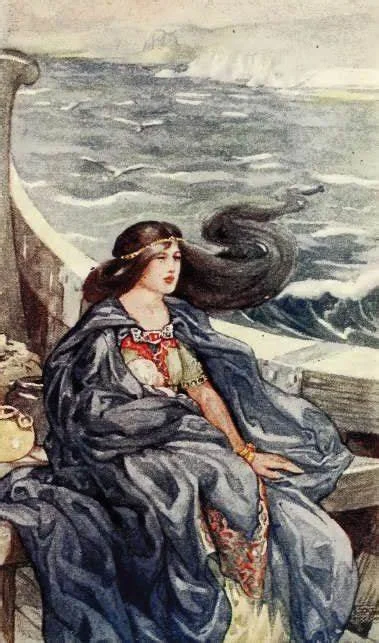
Chaucer realizes that readers will find it implausible that Constance survives without food or water for years while journeying by boat from Syria to Italy.
So he addresses this implausibility directly.
“Where myghte this womman mete and drynke have?”
And his answer is: miracles happen.
By addressing the implausibility, Chaucer cancels the reader’s objection.
He elaborates:
Who kepte hir fro the drenchyng in the see?
Who kepte Jonas in the fisshes mawe
Til he was spouted up at Nynyvee?
Who kept her from the drenching in the sea?
Who kept Jonas in the fish’s maw
Till he was spouted up at Ninevah?
The Man of Law’s Tale is an allegory of faith. Constance survives miraculously. The implausibilities of her tale are necessary to support the allegory.
* Orlando Bartro is the author of Toward Two Words, a comical & surreal novel about a man who loves yet another woman he never knew. Find your copy at Amazon. Hardcover, paperback, and e-book editions available.
https://www.amazon.com/Toward-Two-Words-Orlando-Bartro-ebook/dp/B072MNB4F9