




According to licensed psychologist Taisha Caldwell-Harvey, PhD, “A one-size-fits-all approach to mental health care and wellness is ineffective because our experiences of stress and its triggers vary significantly based on our individual identities.”
Sit with this quote a moment. There is no magic pill or mantra to “fix” stress because we all experience it differently. Men and women differ significantly over how they recognize and deal with stress.
Sixty-eight person of women admit they feel stressed and they could use more help balancing the demands and expectations of coworkers, family, and friends, versus 63% of men. But studies show that women are more likely to cancel leisure plans than men (27% versus 22%).
Women admit there’s a problem, but we continue to put the needs of others above our own. We tend to blame ourselves when we can’t be all things to all people. Men are less likely to acknowledge stress, but more willing to find external outlets to ease their stress. They are more likely to meet up with friends after work, join a recreational sports league, or attend sporting events with friends.
These trends aren’t carved in stone. Individuals are different and societal norms are changing. There are more double-income marriages with or without children, and couples are sharing more household duties and parenting responsibilities. Add to that, in an aging population, more adults are becoming caregivers for older family members.
Male suicide rates are higher. Crime statistics show men are more likely to commit violent crimes than women. Why?
Experts do not agree, but the way we deal with stress may be a factor. The ability to look inside ourselves and learn to identify what triggers our stress is crucial. Admitting that we’ve taken on more than we should is healthy but blaming external forces because we can’t fix everything or everyone, is not.
Admitting we are stressed is the first step, but we must learn to recognize what triggers us, and what creates happiness and balance in our lives. If we don’t, stress will continue to negatively impact our well-being.
A stress-free life is a myth created by Madison Avenue to sell us stuff we don’t need and can’t afford. The more we spend, the more stressed we become and the more stuff we buy trying to de-stress from the stress of mounting credit card debt. It’s a vicious, but profitable circle.
Looking back on the good old days when life was simpler is also a myth. Though they weren’t bombarded by 24/7 information overload, our grandparents and great grandparents experienced their own versions of stress. Diseases could wipe out entire families. Employers weren’t required to maintain safe working environments. Physical and sexual abuse were rarely discussed or reported. Women and people of color faced legal discrimination. Careers could be ruined and members of the LGBTQ community were often jailed and ostracized.
Short term acute stress can have positive benefits by boosting energy, sharpening focus, and temporarily improving immune function. Manageable levels of stress push us to meet deadlines, enhance athletic performance, and respond to emergency situations. It can help build emotional and psychological resilience.
Chronic stress can lead to developing unhealthy habits such as overeating, physical inactivity, smoking, or drug or alcohol abuse. It is associated with increased biological aging, compromised immune response, or brain fog, anxiety, depression, and heart disease. The medical community remains divided about the effects of chronic stress on the development or progression of cancer.
What are some things you can do to manage stress?
1. Be sure to eat healthily.
2. Avoid alcohol and tobacco.
3. Limit caffeine
4. Unplug before bedtime and prioritize sleep.
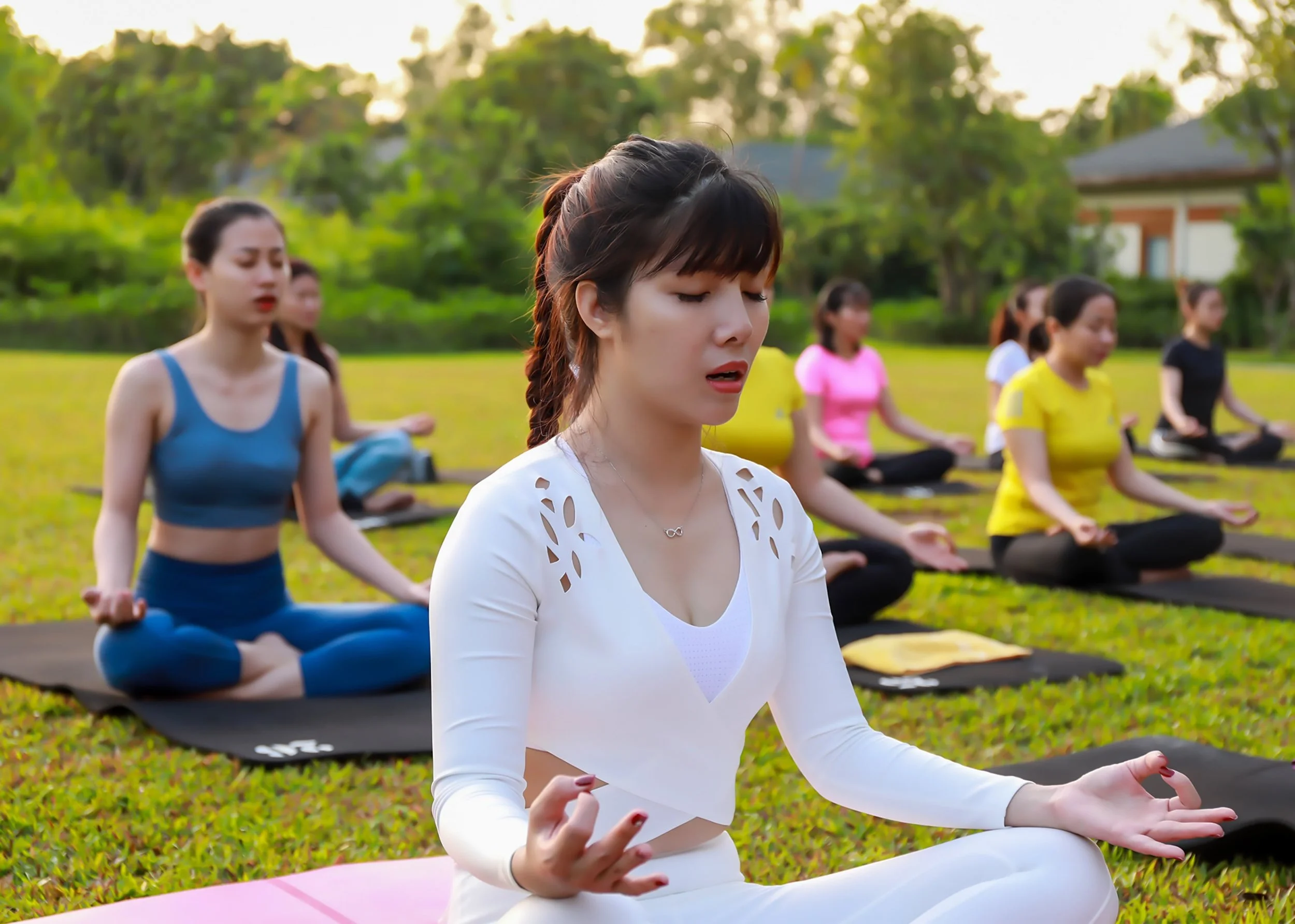
5. Try meditation, gentle stretching, or yoga to help connect mind and body
6. Exercise regularly to release endorphins.
7. Take time for yourself, a few minutes several times a day.
a. Read a chapter of a book or a poem.
b. Try a word game or puzzle
c. Take a short walk and enjoy nature.
d. Take frequent breaks from social media.
e. Listen to music
8. Check in with friends, share a laugh, and be present with each other.
9. Stay engaged by attending programs sponsored by your local library or community.
10. Seek professional help if you are experiencing anxiety or depression that does not get better.
“Sources: