





While a student at Carnegie Mellon, I was a film projectionist for the Thursday movies shown at Doherty Hall, my first job.
Sitting in the dark room at the back of the auditorium while the movie reel was spinning, I remember puzzling over Genet’s Our Lady of the Flowers, the brown paperback pages difficult to see under a dim overhead light.
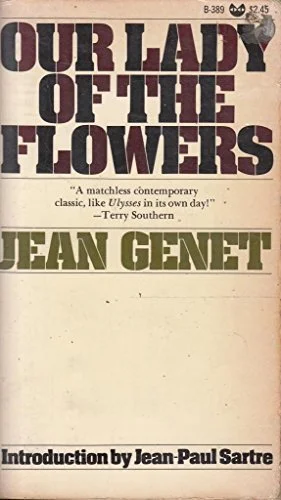
The lighting wasn’t my only difficulty. The novel was unlike anything I had ever read, a collage of snippets that Genet had fitted together after repeatedly throwing his manuscript on the floor of his prison cell, combining and recombining the snippets, using accident to find connections he otherwise wouldn’t have found.
I had no prior context for such a novel. It didn’t move from point A to point B; there was no familiar direction in the plot.
And Genet’s world of homosexual prostitutes and imprisoned murderers was so strange, so unlike anything in my experience, and their jargon so strange, that I often couldn’t follow who was saying what in the dialogues.
I was perplexed, but happily perplexed because the writing was lavish and evocative.
But today when I read Our Lady of the Flowers, I’m perplexed that I was ever perplexed by it. All is clarity.
Many books require a second reading.
Joyce’s Finnegans Wake is probably the most infamous for its difficulty. A pretzel book of invented words, a super pun.
But Robbe-Grillet’s Jealousy is as challenging in its own way, so challenging that the professor hired to write an introduction to the novel complained that, unlike Robbe-Grillet’s previous work, the story wasn’t a whodunit.
But Jealousy is a whodunit.
Most readers never notice the murder.
My mother was the first to inform me of it. My mother had wisely skipped the misleading introduction, and so, was able to read the novel on its own terms. (She is an excellent reader.)
I had reread the book four times, including once in French, but had never noticed that anyone had been killed.
On yet later readings, I found not only the murder, but the weapon, the location, the time of death, and the place of burial.
Melville’s The Confidence Man is like an easier version of Robbe-Grillet’s Jealousy. It also includes events that are not typically noticed on a first reading.
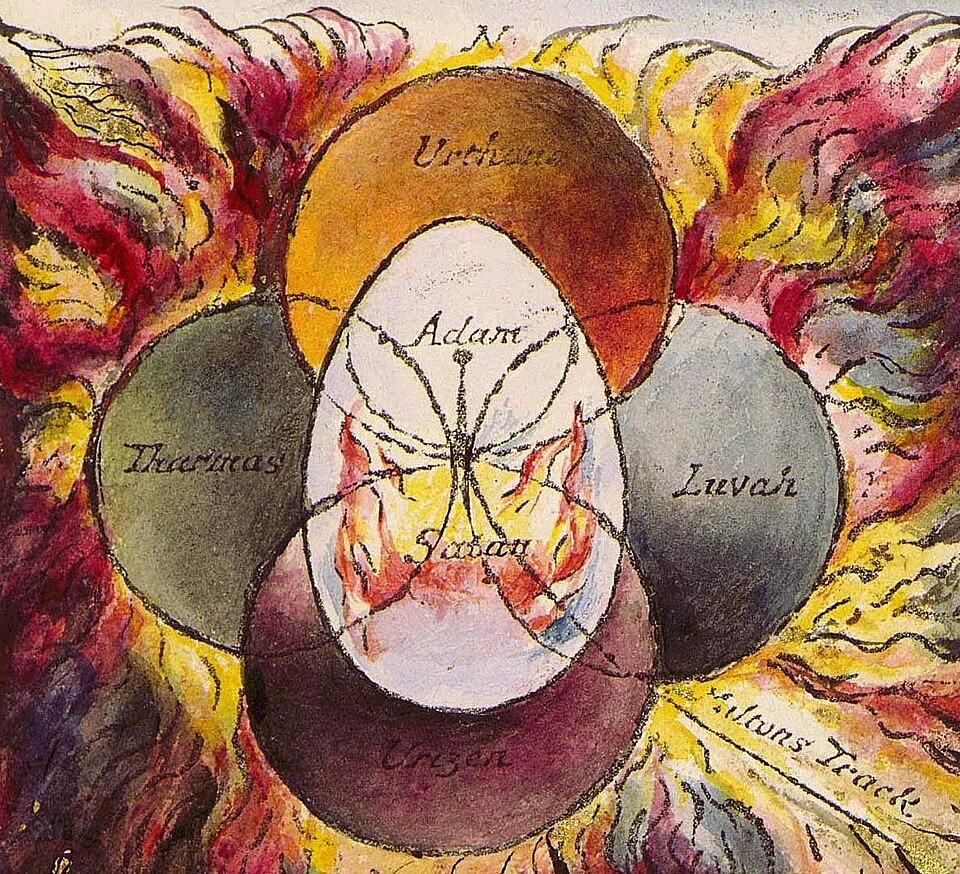
William Blake’s The Four Zoas presents unique difficulties.
Blake invents his own mythological figures, but without introduction, without exposition, without context, as if these figures are already known to the reader.
All of these books present alien worlds of thought and expression that cannot immediately be apprehended.
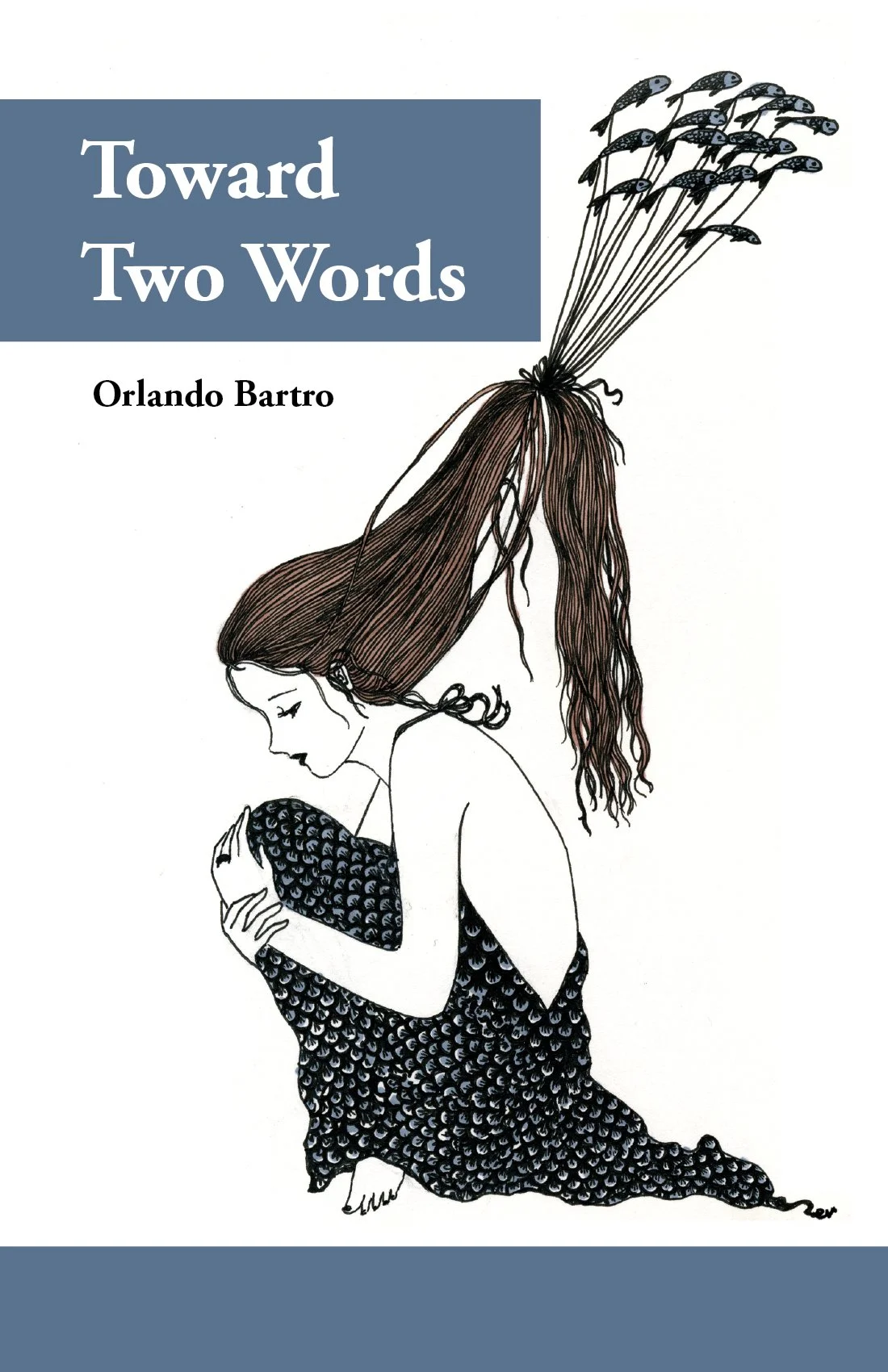
* Orlando Bartro is the author of Toward Two Words, a comical & surreal novel about a man who loves yet another woman he never knew. Find your copy at Amazon. Hardcover, paperback, and e-book editions available.
https://www.amazon.com/Toward-Two-Words-Orlando-Bartro-ebook/dp/B072MNB4F9