



“What, to the American slave, is your Fourth of July?”
Frederick Douglass let the question hang in the air. He stood before a respectable Northern audience in Rochester, New York, on July 5, 1852—the day after the republic had finished congratulating itself.
Flags had waved. Cannons had thundered. Sermons had been preached.
Douglass had been invited to speak as proof of progress. A formerly enslaved man, educated, eloquent, successful—living evidence that the system was bending, that time was doing its work. He did not play the role.
“That day,” he continued, “reveals to him, more than all other days in the year, the gross injustice and cruelty to which he is the constant victim.”
The words were not angry. They were measured, deliberate, and therefore impossible to ignore. This was not an outburst. It was an indictment.
And yet Douglass had not begun there. Before the rebuke came the acknowledgment. He had spoken first of the founders, of their courage and daring, of the moral audacity required to rise against an empire. The Declaration of Independence, he said, was a document of luminous principle—clear, just, and expansive. Its authors were brave men, acting rightly against tyranny. In that opening movement, Douglass gave his audience every reason to believe they were about to hear a familiar patriotic address.
Then he took possession of the meaning.
“This Fourth of July is yours, not mine,” he told them. “You may rejoice, I must mourn.”
The celebration, he said, was not false because liberty was unworthy of praise, but because it had been withheld. America did not lack principles. It lacked fidelity. While the nation declared all men equal, it chained millions. While it praised natural rights, it enforced human property. While it called itself Christian, it sanctified bondage from pulpit and pew.
Slavery, Douglass insisted, was not sustained by Southern brutality alone. It endured because the nation had learned to live with it. The courts protected it. The churches excused it. The Constitution—misread, misused, bent by interest—had been made to shelter it. The crime was national, and so was the responsibility.
“There is not a nation of the earth guilty of practices more shocking and bloody,” he said, “than are the people of these United States at this very hour.”
And still, he did not end in rejection. Douglass refused to abandon the country’s founding creed to those who had betrayed it. The Declaration, he argued, was not a white document or a slaveholding document. It was a human one. Its language did not narrow with time; it widened. Properly understood, it condemned slavery outright.
So too with the Constitution.
Against those who called it a pact with evil, Douglass did something unexpected. He did not curse it. He claimed it.
“Interpreted as it ought to be interpreted,” he declared, “the Constitution is a glorious liberty document.”
Not a covenant with death. Not a pact with hell. A liberty document—betrayed, distorted, bent to evil purpose, but not evil in its essence.
“The Constitution,” he insisted again, “is not, in its letter or spirit, a pro-slavery instrument.” The failure was not in the parchment. It was in the people.
He had come that day not to curse the republic, but to summon it back to its own words. . . .
Frederick Douglass would spend the rest of his life making that argument. Born into slavery on Maryland’s Eastern Shore, he escaped bondage, taught himself to read, became the most powerful antislavery voice in America, and later fought just as fiercely for citizenship, voting rights, and equal justice after emancipation. What made Douglass remarkable and still applicable to our own time was that he refused to surrender America’s founding principles to either slaveholders or cynics.
Although he would die before the nation’s promises were fully kept, nearly a century later another great American reformer would make real headway. Martin Luther King Jr. would stand before the Lincoln Memorial and make a strikingly similar case—that the nation had written a “promissory note” it had not yet honored. The language was different, but the challenge was the same: not to abandon the American creed, but to live up to it.
That challenge did not end with Douglass or with King. Each generation inherits the same question: whether the lofty principles of the Declaration are merely words to celebrate or promises to keep.
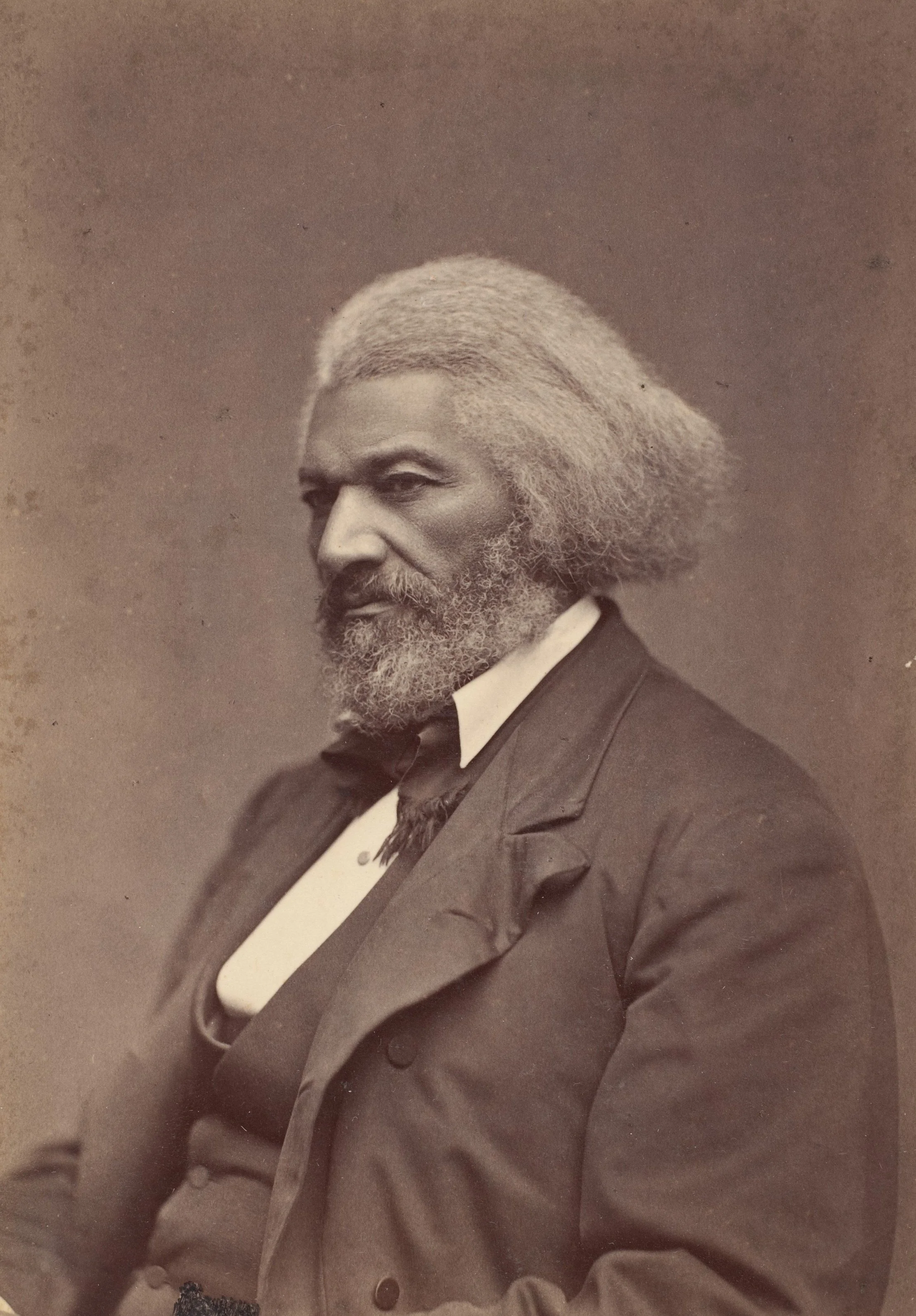
Photo of Douglass by by George Kendall Warren, 1876.

Tony Valerino is an author and independent researcher focused on American history and Western civilization. He has published two books, his most recent a history of the United States told through turning points that shaped the nation’s people and institutions. He also writes daily historical essays and reflections on his blog. Links below.
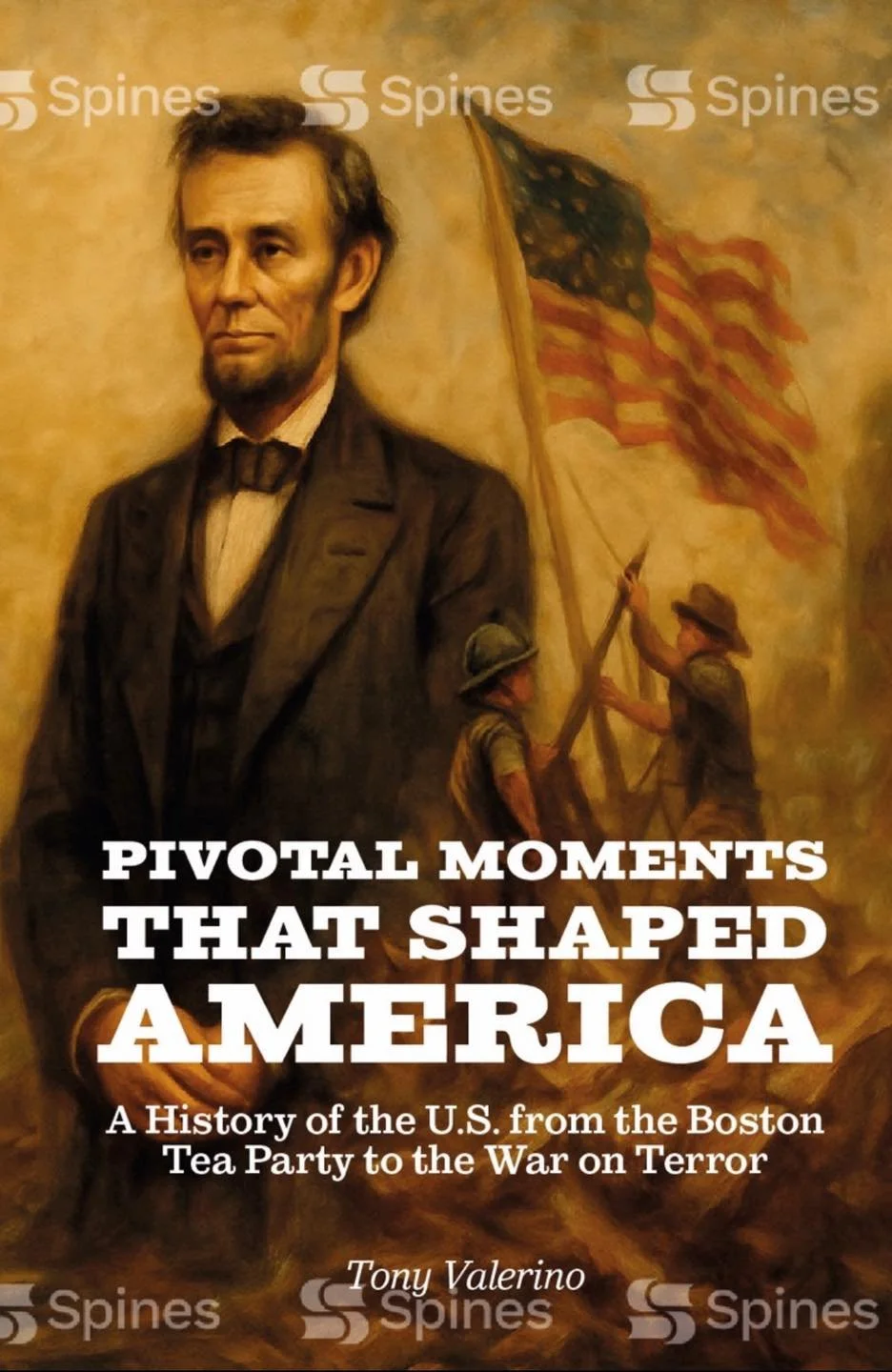
Pivotal Moments That Shaped America - https://a.co/d/g6qjSrw
Facebook blog - https://www.facebook.com/share/1FNLF42a8K/?mibextid=wwXIfr
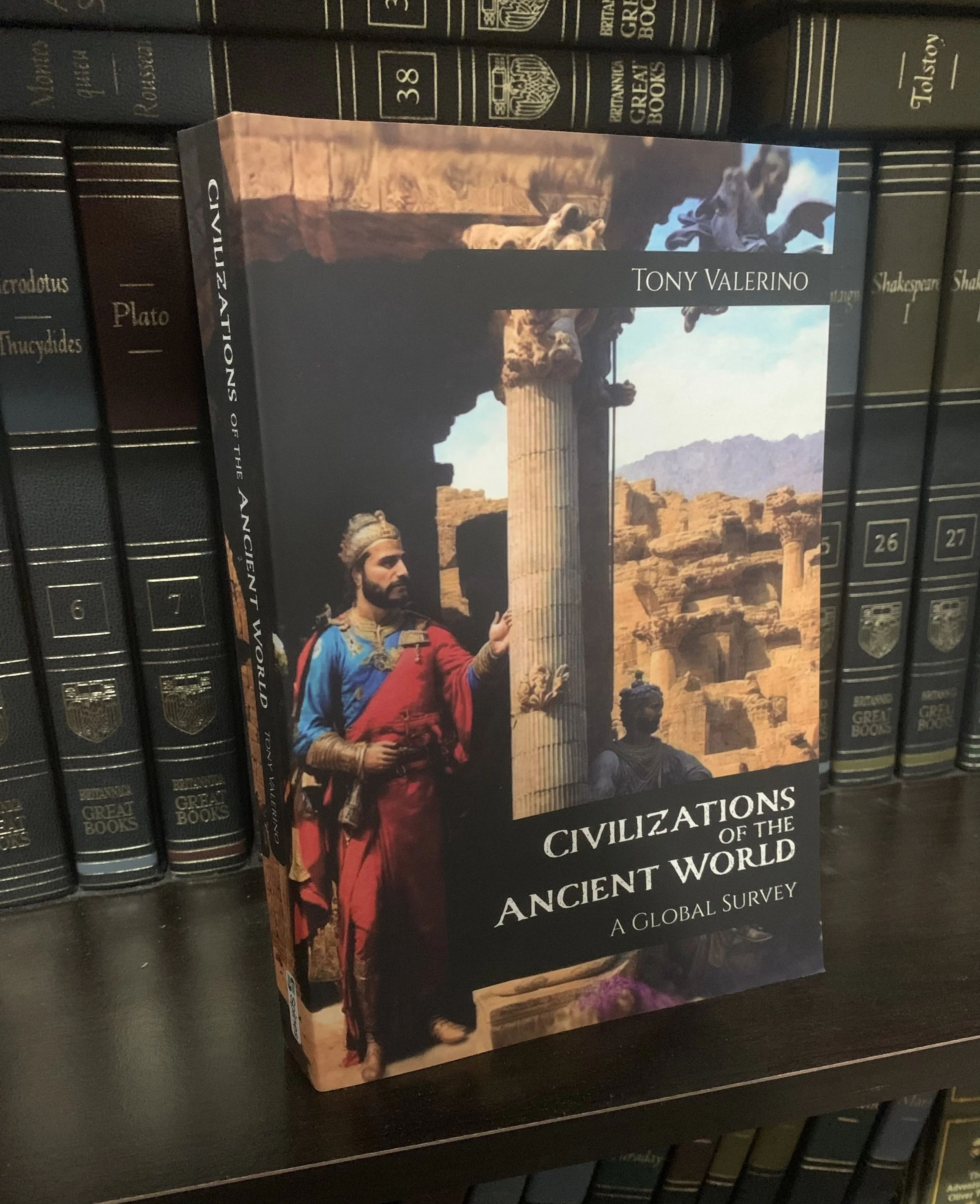
Civilizations of the Ancient World - https://a.co/d/e65mKDD